
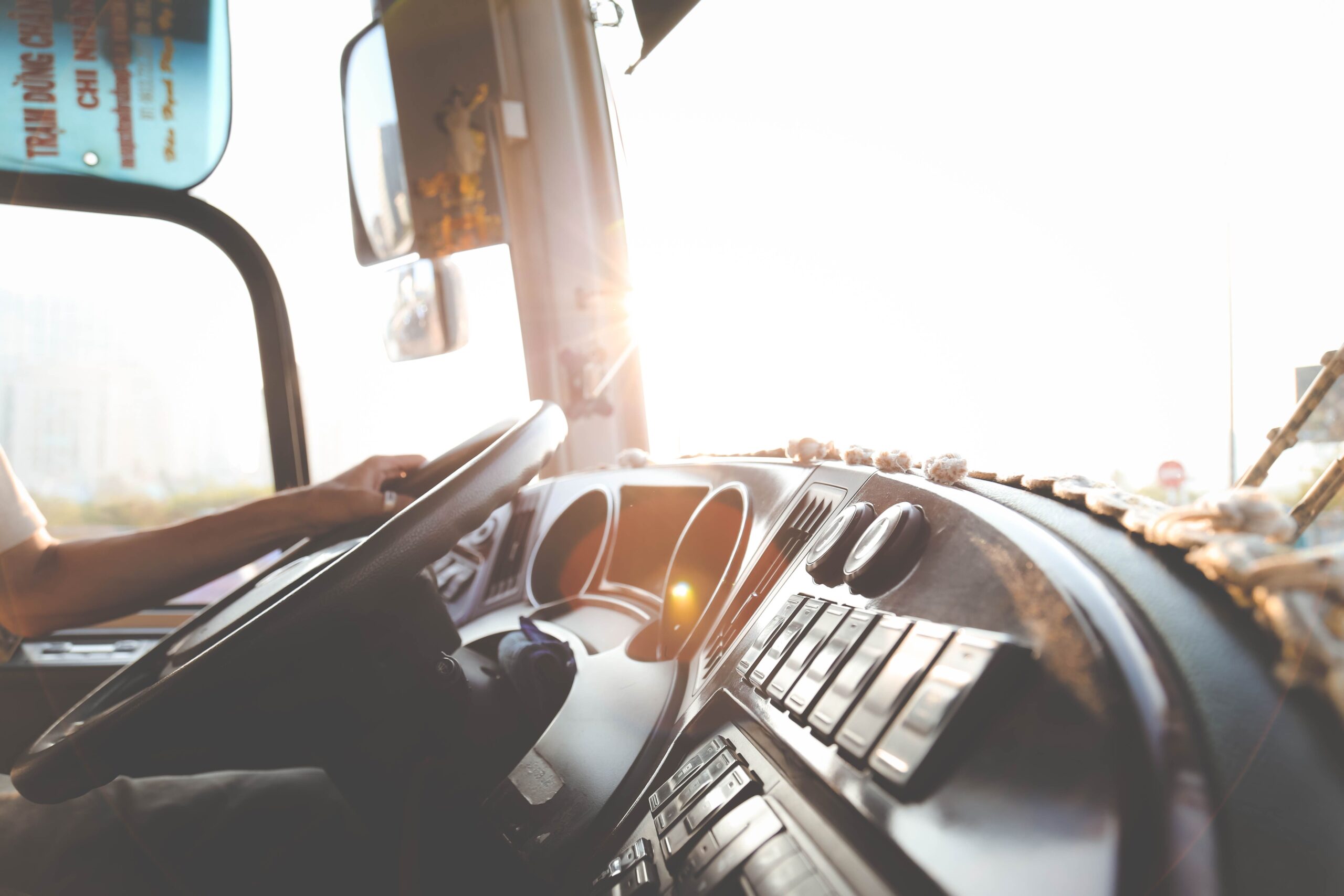
If you’re new to heavy vehicles, one of the first things that stands out is the gearbox. Trucks operate very differently from passenger cars, and the transmission is a big part of that. So how many gears does a truck have, and why does it matter for your licence training?
The short answer is that it varies. Most heavy rigid trucks have between 9 and 18 gears depending on the transmission type, the vehicle’s size, and what it’s designed to carry. Understanding how many gears are in a truck and how to use them is fundamental to operating heavy vehicles safely and efficiently.
Why Do Trucks Have So Many Gears?
A standard car typically has 5 or 6 gears. A truck can have two to three times that number. The reason comes down to physics and load.
Heavy vehicles carry large, variable loads across a wide range of road conditions, from steep grades to flat highways, loaded or empty. To keep the engine operating in its optimal power band across all of those conditions, the transmission needs far more steps than a car requires.
More gears mean the driver can keep the engine in the right rev range for the situation: pulling away from a stop with a full load, maintaining highway speed without over-revving, or descending a long hill under control. Each gear serves a specific purpose, and knowing when to use it is a core part of professional truck operation.
How Many Gears in a Truck: By Transmission Type
The number of gears in a truck is directly tied to the type of transmission fitted. In Western Australia, HR licence training covers three main transmission types, each with a different gear count and operating method.
Road Ranger (Crash Box) Gearbox
The Road Ranger is the most gear-intensive transmission you’ll encounter in HR training. These gearboxes typically have 13 or 18 forward gears, achieved by combining a main gearbox with a splitter and range selector.
So when someone asks how many gears does a truck have, a Road Ranger-equipped heavy rigid is often what they’re picturing. The answer for these vehicles is commonly 18 forward gears, though 13-speed configurations are also widely used in older or lighter HR vehicles.
Operating a Road Ranger requires specific techniques. Drivers use a splitter switch on the gear lever to access high and low ratios within each gear, effectively doubling the usable gear positions. It takes practice to develop smooth, consistent shifts, which is why the HR Road Ranger licence is a distinct qualification in WA.
Synchromesh Gearbox
Synchromesh transmissions are more familiar to drivers coming from a car background. These gearboxes use synchroniser rings to match gear speeds before engagement, making them considerably easier to learn on.
Most heavy rigid trucks fitted with a synchromesh gearbox have 9 to 12 forward gears. While fewer than a Road Ranger, the shifts are smoother and require less pre-selection technique. The HR Synchromesh licence is a good starting point for new drivers who want to build confidence with manual gear changing before progressing to more complex transmissions.
Automatic Gearbox
Automatic transmissions are increasingly common in modern heavy rigid trucks, particularly in urban and local delivery roles. These gearboxes manage gear changes without driver input, though they often have 6 to 16 internally managed ratios operating in the background.
From the driver’s perspective, there’s no manual gear selection; the system handles it automatically based on speed, load, and engine demand. This makes the HR Automatic licence the most accessible entry point for new drivers, particularly those without prior manual driving experience.
It’s worth noting that an automatic HR licence in WA restricts you to automatic heavy vehicles only. If your employer or intended role requires a manual truck, you’ll need to train and test in a manual transmission vehicle.
Do Larger Trucks Have More Gears?
Generally, yes. As trucks increase in size and load capacity, the transmission complexity tends to grow with them.
Heavy combination vehicles, prime movers with semi-trailers, often use 13 to 18-speed Road Ranger-style gearboxes. At this level, efficient gear selection directly impacts fuel consumption, brake wear, and overall vehicle control. Drivers working toward their HC licence are expected to be proficient with these gearboxes before sitting their practical assessment.
Multi-combination vehicles like road trains and B-doubles operate on similar transmission principles, but the weight and momentum involved make precise gear management even more critical. The consequences of a poorly timed downshift or a missed ratio on a loaded road train are far greater than in a passenger car.
How Gears Affect Licence Training in WA
In Western Australia, the Department of Transport & Major Infrastructure issues HR licences with transmission endorsements that reflect the training and testing you were given. This means the number of gears in the truck you train in directly affects what vehicles you’re authorised to drive once licensed.
The three main HR licence types in WA are:
- HR-A (Automatic) – for automatic heavy rigid vehicles
- HR-B (Synchromesh) – for synchromesh manual heavy rigid vehicles
- HR (Road Ranger) – for constant mesh/Road Ranger heavy rigid vehicles
If you hold an HR Road Ranger endorsement, you can generally drive all HR-class vehicles. If you hold only an automatic endorsement, you’re restricted to automatics. Choosing the right licence type from the start can save you from having to retest later.
Our guide to choosing an HR licence walks through each option in detail to help you decide which transmission type suits your goals.
For a full breakdown of what the HR licence covers, see the HR licence overview page, which covers vehicle classes, eligibility, and the training process.
Learning to Use a Multi-Speed Gearbox
For many new drivers, the gearbox is the steepest part of the learning curve. Shifting a 13 or 18-speed Road Ranger smoothly under load is a skill that takes time, repetition, and the right instruction.
Professional training makes a significant difference here. At Perth Transport Training, our one-on-one lessons give you dedicated time behind the wheel to develop technique without the pressure of other students. Whether you’re learning a synchromesh for the first time or working toward a Road Ranger endorsement, our trainers walk you through each gear change in real operating conditions.
The WA Department of Transport & Major Infrastructure requires drivers to demonstrate competent vehicle control, including gear selection, during the practical driving assessment. Our HR licence test guide covers exactly what assessors look for and how to prepare.
How Many Gears Does a Truck Have? A Quick Summary
To bring it together:
- Automatic HR trucks: 6–16 internally managed ratios; no manual selection required
- Synchromesh HR trucks: typically 9–12 forward gears
- Road Ranger HR trucks: commonly 13 or 18 forward gears
- HC/MC trucks: typically 13–18 forward gears
How many gears are in a truck has depends on the vehicle type, its intended use, and the transmission fitted. The more complex the gearbox, the more training and technique it requires, but the broader the range of vehicles and roles it unlocks.
Ready to Get Behind the Wheel?
Understanding gear counts is one thing; operating a multi-speed gearbox under load, on a live road, is another. Perth Transport Training Academy has been helping WA drivers get licensed for over 30 years, with one-on-one instruction across all HR transmission types.
Browse our heavy vehicle courses to find the right programme for your licence goals, or read our full guide to becoming a truck driver in Perth to understand the steps from learner to fully licensed professional.
Contact Perth Transport Training today to book your first lesson.