

It’s one of the most common questions from people looking to get behind the wheel of something bigger, and it’s worth getting right before you turn a key. In Western Australia, what you can legally drive depends on your car licence class and the Gross Vehicle Mass (GVM) of the vehicle. Understanding where the line sits not only keeps you on the right side of the law, it also helps you see exactly how far your current licence takes you, and what steps are available when you’re ready to go further.
The 4.5-Tonne Rule
A standard Class C car licence in Western Australia authorises you to drive any motor vehicle with a GVM of up to 4,500 kg, provided it seats no more than 12 adults, including the driver. This rule is consistent across all Australian states and territories and is set out by the WA Department of Transport and Major Infrastructure (DTMI).
That means you can legally drive certain light commercial vehicles, including smaller moving trucks and larger vans, as long as they fall within that weight threshold. GVM refers to the maximum operating mass of a fully loaded vehicle, so it’s the figure you need to check before you assume a vehicle qualifies.
If you’re wondering whether you can drive a truck on a car licence, the answer is: sometimes, but only within a narrow weight range that excludes most of what most people would recognise as a truck.
What Vehicles Can You Drive on a Car Licence?
Under a Class C licence in WA, you may be able to drive:
- Small moving trucks used for domestic and light commercial removals, provided the GVM is under 4,500 kg. Many popular hire trucks fall close to or under this limit, depending on body type and fitout.
- Large vans such as the Mercedes-Benz Sprinter, Ford Transit, and Iveco Daily in lighter configurations. Note that extended, high-roof, and heavy-fitout versions of these vans can exceed 4.5 tonnes and would require a Light Rigid (LR) licence.
- Utes and cab-chassis vehicles within the weight limit, including larger dual-cab configurations used for trades work.
The key thing to verify is the compliance plate, which is fitted to every registered vehicle in Australia and shows the manufacturer’s GVM rating. This is the legally binding figure, not the vehicle’s unladen weight or an estimate.
Where Does a Car Licence Stop?
This is where many drivers underestimate the boundary. The moment a rigid vehicle exceeds 4,500 kg GVM, a standard car licence is no longer sufficient. Even if the vehicle looks similar to something within the limit, driving it without the correct licence class exposes you to significant fines and potentially voids your insurance.
According to the WA DTMI vehicle class framework:
- Light Rigid (LR) covers vehicles with a GVM between 4,500 kg and 8,000 kg
- Medium Rigid (MR) covers two-axle rigid vehicles over 8,000 kg
- Heavy Rigid (HR) covers rigid vehicles with three or more axles and a GVM over 8,000 kg
- Heavy Combination (HC) covers prime movers with semi-trailers over 9,000 kg GVM
- Multi Combination (MC) covers B-doubles, road trains, and vehicles towing multiple trailers
So when people ask whether they can drive a truck on a car licence, the honest answer is that most of what the transport industry would classify as a truck, anything used for freight, logistics, construction, or long-haul work, falls well above the car licence threshold.
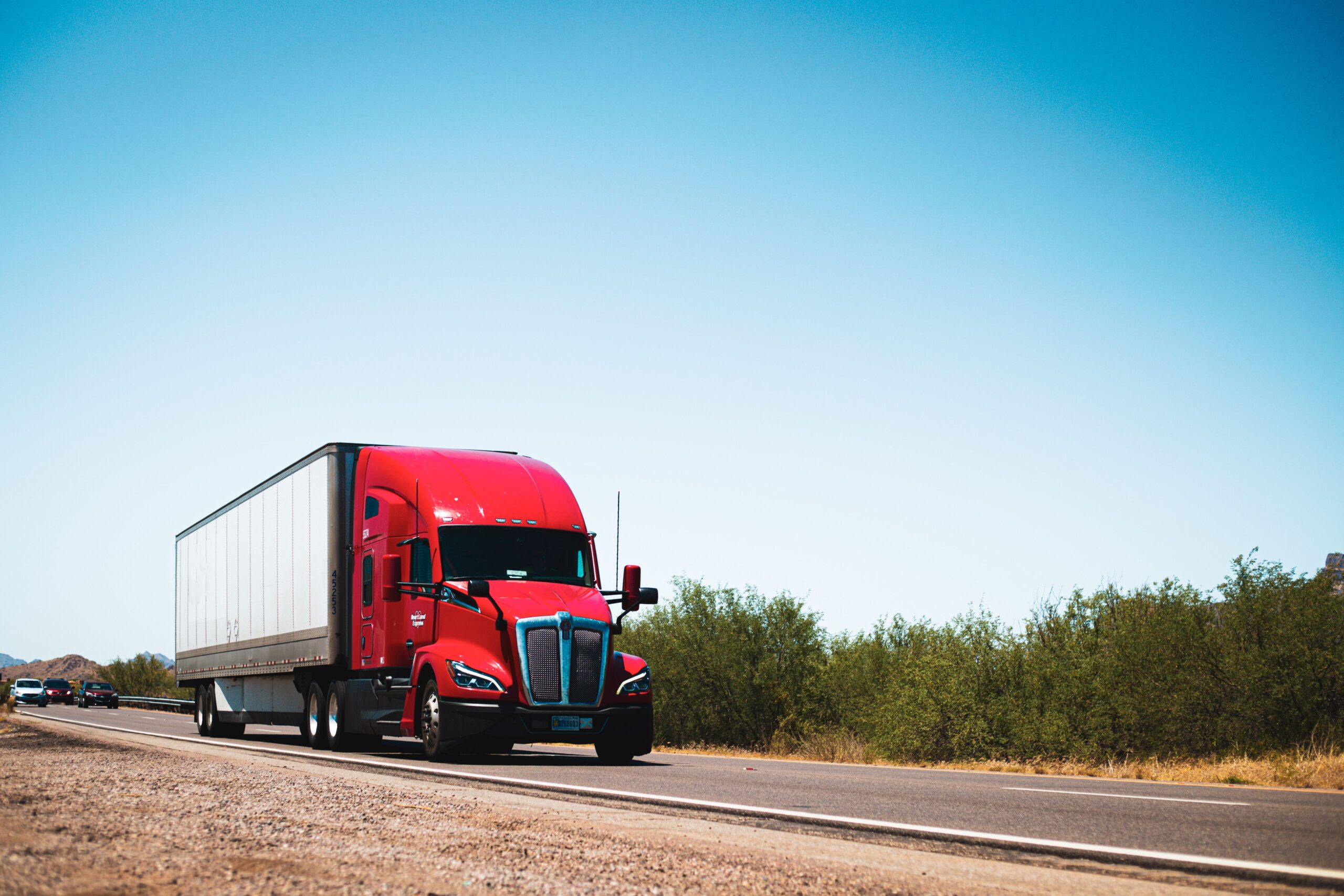
Can I Drive a Truck on a Car Licence for Work?
If you’re working in transport, logistics, construction, or any industry that uses larger commercial vehicles, the answer is almost certainly no. The vehicles used in professional transport contexts (rigid delivery trucks, tippers, flatbeds, crane trucks, refrigerated semi-trailers) all fall into licence classes above Class C.
This is worth understanding clearly because the consequences of getting it wrong are serious. Driving a vehicle outside your licence class is an offence under WA road transport regulations, can invalidate your employer’s insurance, and may affect chain of responsibility obligations as applied in WA.
For anyone considering a career in the industry, the first practical step is upgrading to a class that opens real commercial driving opportunities.
How to Upgrade from a Car Licence to a Truck Licence in WA
If your car licence isn’t enough for the vehicle or the career you’re aiming for, the pathway forward is structured and achievable. Western Australia’s licence hierarchy means you progress through classes based on experience held; you don’t need to start at the bottom if you already hold a full Class C licence.
Here’s how the progression works from a car licence:
Step 1 – Heavy Rigid (HR)
After holding a full Class C licence for at least two years, you’re eligible to apply for an HR truck licence. This covers three-axle rigid vehicles with a GVM over 8,000 kg and is the standard entry point for careers in freight, construction, and logistics. It’s also where most professional driving careers begin.
Not sure which HR class suits you? Our guide to HR licence types explains the difference between automatic (HR-A) and synchromesh (HR-B) options and which one makes sense for your situation.
Step 2 – Heavy Combination (HC)
After holding your Class C for three years and an MR or HR licence for at least one year, you’re eligible for HC licence training. HC covers prime movers, semi-trailers, and articulated vehicles – a significant step up in earning potential and career options.
Step 3 – Multi Combination (MC)
Once you’ve held your HR or HC licence for at least one year, you can progress to an MC licence, the highest class in WA’s licence framework. MC qualifies you to operate B-doubles, road trains, and the largest vehicles on Australian roads.
For a full breakdown of how HR and MC licences compare in terms of vehicles, pay, and career pathways, see our HR vs MC licences guide.
What’s the First Step If You Want to Drive a Truck?
If you currently hold a car licence and want to understand what truck you can drive, and how to get into something bigger, the most useful thing you can do is map out your pathway before you book anything.
Our becoming a truck driver roadmap walks through the full process from eligibility to assessment, including what to expect on the day and how long the process takes. And if you’re ready to look at specific training options, our heavy vehicle courses page covers everything available at Perth Transport Training.
Train with Perth Transport Training
At Perth Transport Training Academy, we’ve been helping Western Australians upgrade from their car licence into professional truck licences for over 30 years. As a DTMI-approved RTO (Provider No. 689), we deliver one-on-one HR, HC, and MC training across Perth, structured around your schedule and experience level.
Whether you’re starting fresh from a car licence or looking to step up from HR to HC, our trainers bring real industry experience to every lesson. If you’re serious about getting behind the wheel of something bigger, we’re here to make that happen.
Contact Perth Transport Training today to discuss your eligibility and find the right course for your goals.